
Why Modular Data Centers Are Becoming Core Infrastructure for AI and Cloud Growth
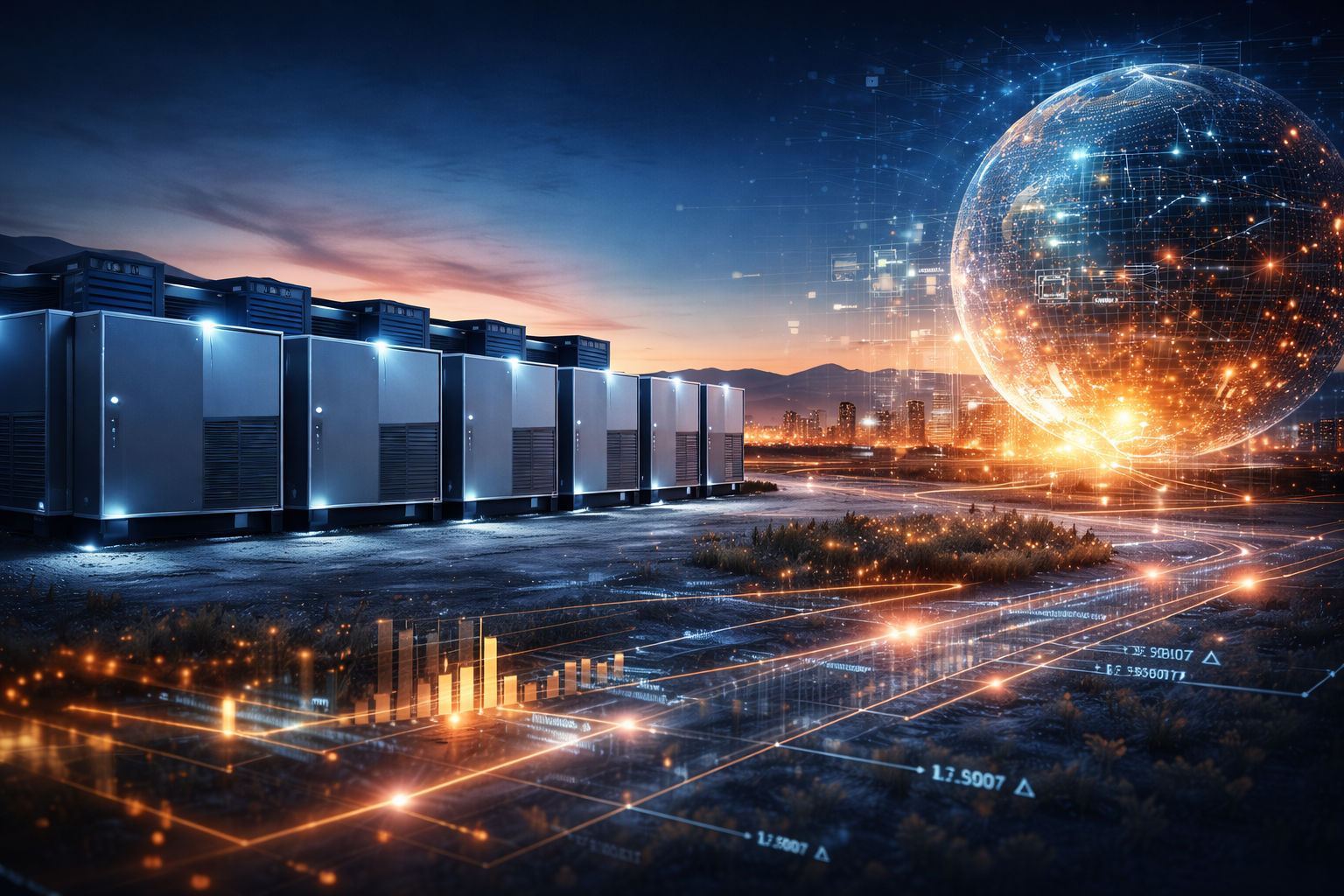
AI is reshaping global infrastructure at a faster rate than traditional data centers can keep up with.
Artificial intelligence, high-performance computing, and cloud expansion are driving unprecedented demand for reliable, scalable compute. Yet traditional hyperscale data centers often take years to permit, construct, and energize, creating a growing mismatch between demand and deployment timelines.
Modular data centers are emerging as a practical solution to this challenge.
Factory-built, containerized data center systems can be deployed in months rather than years, scaled incrementally, and located closer to energy sources and end users. This flexibility is increasingly critical as AI workloads shift toward inference, edge compute, and regional deployment models.
Speed, Scalability, and Capital Efficiency
Unlike traditional builds, modular infrastructure reduces upfront capital concentration and execution risk. Operators can deploy capacity as demand materializes rather than betting on long-dated forecasts. For capital providers, this shortens the path from investment to revenue generation, an important characteristic of infrastructure-style assets.
Why This Matters for Mindstream Energy
Mindstream Energy’s strategy centers on deploying modular data centers aligned with dedicated energy supply rather than congested grids. By pairing modular infrastructure with predictable power, Mindstream positions itself to serve AI-driven compute demand while maintaining disciplined growth and cost control.
As digital infrastructure evolves, modular data centers are transitioning from “alternative” solutions to essential components of the global compute stack.
This content is for informational purposes only and does not constitute an offer to sell or a solicitation to buy securities; any offering is made only to verified accredited investors pursuant to applicable securities laws.